The Art of Empty Space in Home Design
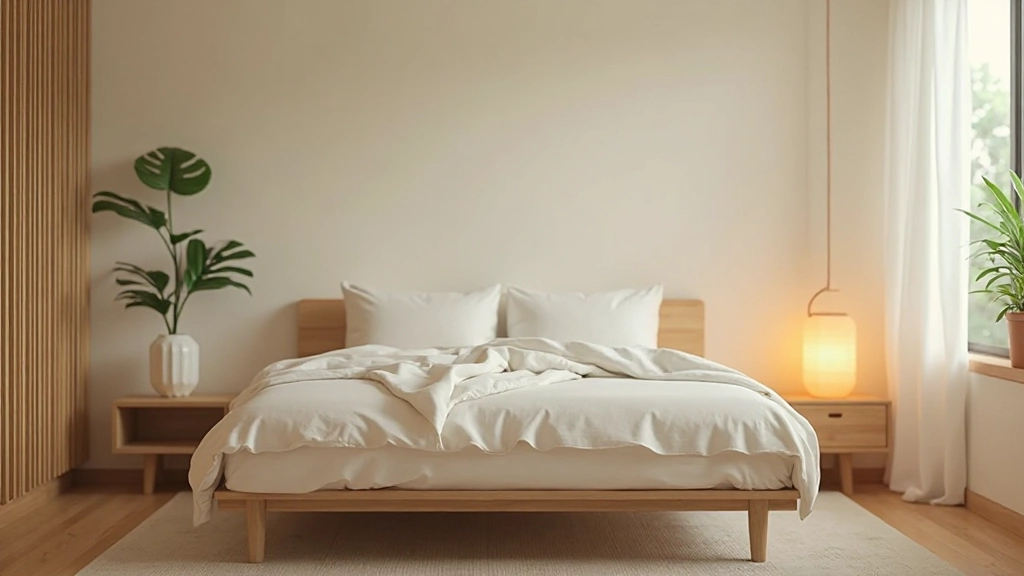
Discover why negative space is essential to creating visual calm and allowing your mind to rest. Learn how emptiness becomes the foundation of sophisticated interior design.
Understanding the Power of Emptiness
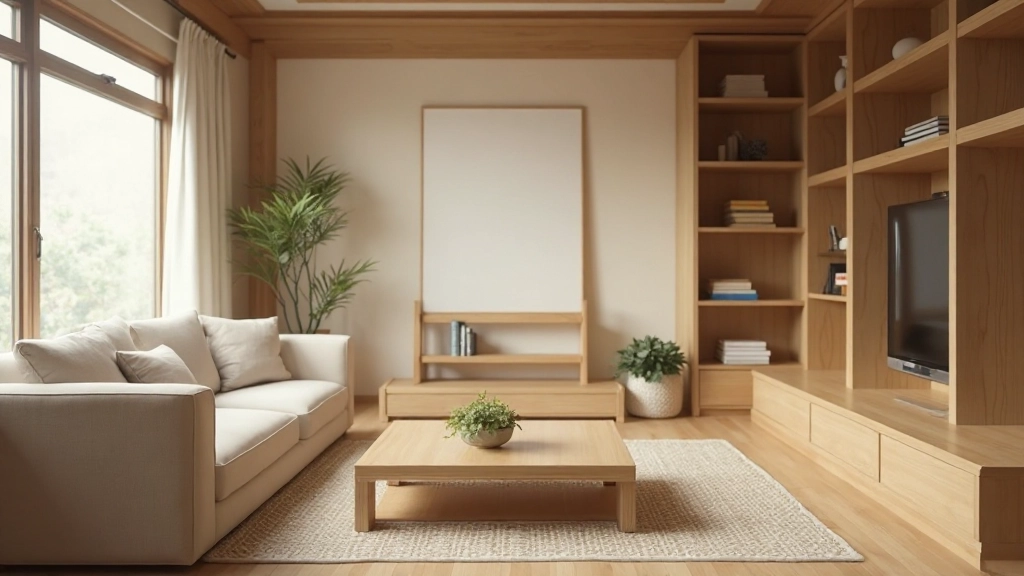
In a world obsessed with abundance, we often overlook one of the most powerful design principles: empty space. Known as negative space or white space in design, emptiness is not an absence—it's a presence. It's the breathing room that allows every other element in your home to speak with clarity and intention.
This concept, deeply rooted in Japanese aesthetic traditions like ma (negative space) and yohaku no bi (beauty of emptiness), transforms how we approach home design. Rather than filling every corner with objects and colors, we create harmony through what we choose to leave bare.
The Psychology Behind Empty Space
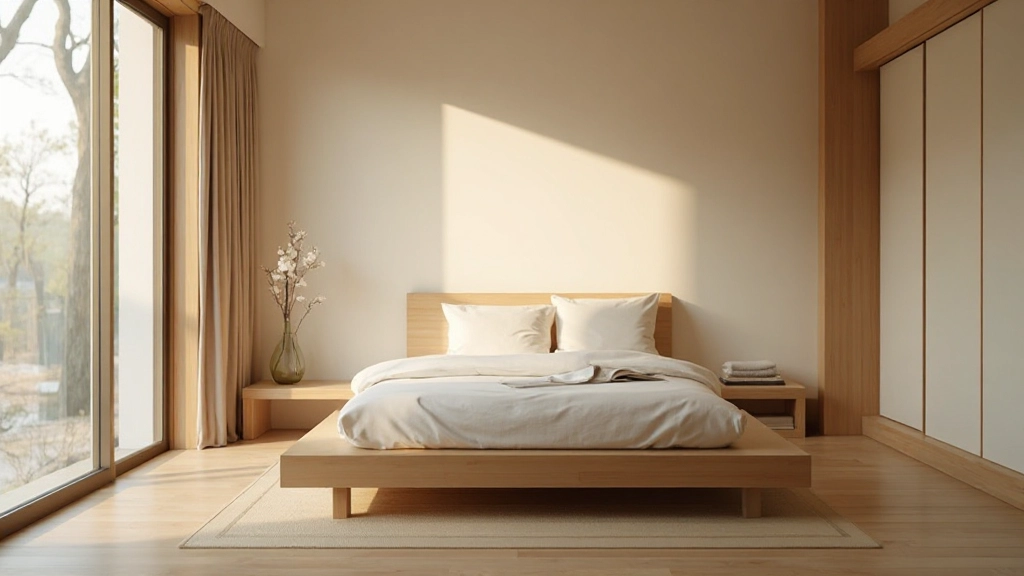
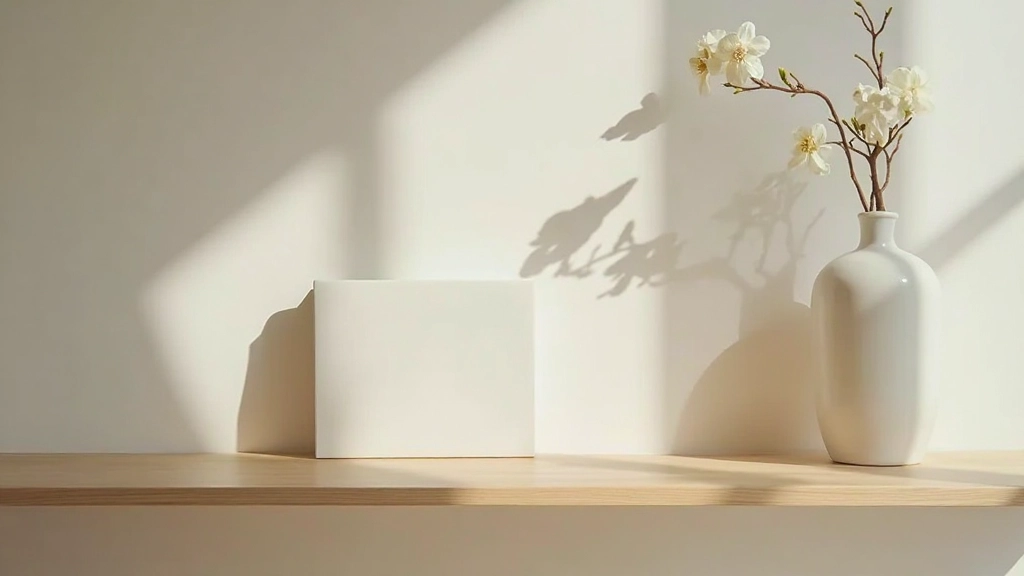
Empty space in your home directly influences your mental state. When our eyes encounter clutter, our brains work overtime processing visual information. Each object demands attention, creating subtle stress and mental fatigue. Conversely, empty space provides visual rest.
Studies in environmental psychology demonstrate that uncluttered spaces reduce cortisol levels and improve focus. When you surround yourself with emptiness, your mind relaxes. This isn't emptiness as loneliness—it's emptiness as potential, peace, and clarity.
"Simplicity is the ultimate sophistication." The spaces we leave empty reveal as much about our aesthetic as the elements we carefully place.
Core Principles
Five Essential Principles of Empty Space Design
Master these foundational concepts to transform your home through the power of emptiness
01
Breathing Room Around Objects
Each furniture piece should exist within its own zone of empty space. Rather than grouping items tightly, allow them to float within emptiness. This creates visual rhythm and prevents the eye from becoming overwhelmed.
02
Vertical Emptiness
Don't fill walls from floor to ceiling. Leaving portions of wall bare creates visual expansion and prevents spaces from feeling compressed. High ceilings with empty upper walls create an airy, sophisticated atmosphere.
03
Strategic Focal Points
Empty space amplifies focal points. A single artwork surrounded by emptiness commands attention far more powerfully than the same piece surrounded by decoration. This principle transforms everyday objects into design statements.
04
Horizontal Emptiness
Floor space is as valuable as wall space. Keep your floors largely open and clear. This creates a sense of freedom and prevents the visual weight of too many objects at ground level.
05
Negative Space in Color
Emptiness extends to color. Using a limited palette creates visual calm. Walls in soft neutrals become empty space themselves, allowing carefully chosen colors to become powerful design elements.
06
The Power of Pause
Empty space functions as visual punctuation. Just as silence in music creates rhythm, emptiness in design creates visual rhythm. The pauses matter as much as the statements.
Applying Empty Space in Every Room
The principle of emptiness works across every space in your home. The key is intentionality—every choice to leave something bare should be deliberate, not accidental.
Living Rooms
Create distinct zones with space between them. Rather than filling your living room with seating, select fewer, carefully chosen pieces. Let the floor breathe between the sofa and coffee table. This arrangement feels more luxurious and allows the eye to rest.
Bedrooms
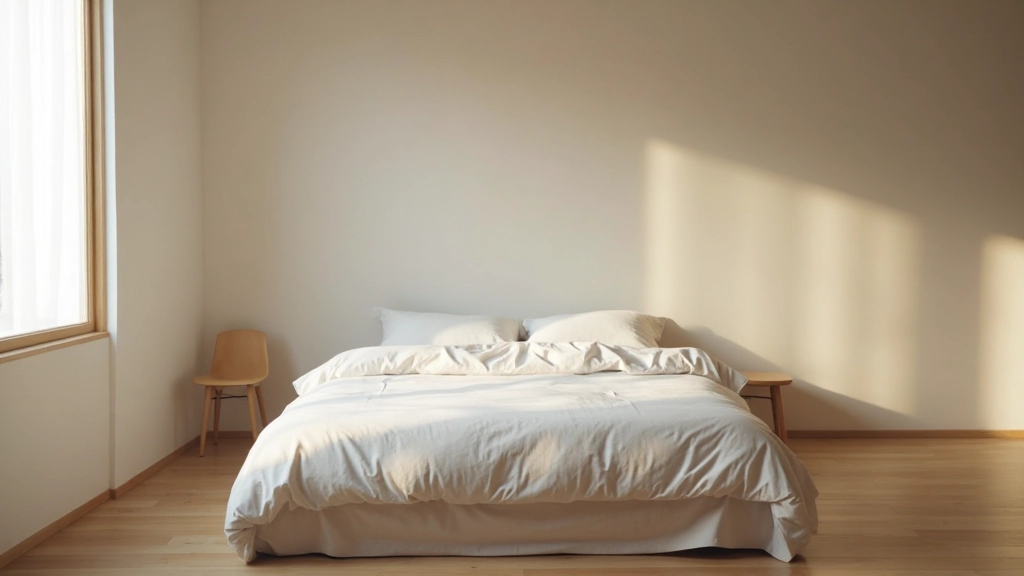
The bedroom especially benefits from emptiness. Keep nightstands minimal, leave wall space above headboards bare, and maintain clear floor space on either side of the bed. This creates a sanctuary rather than a storage space.
Kitchens
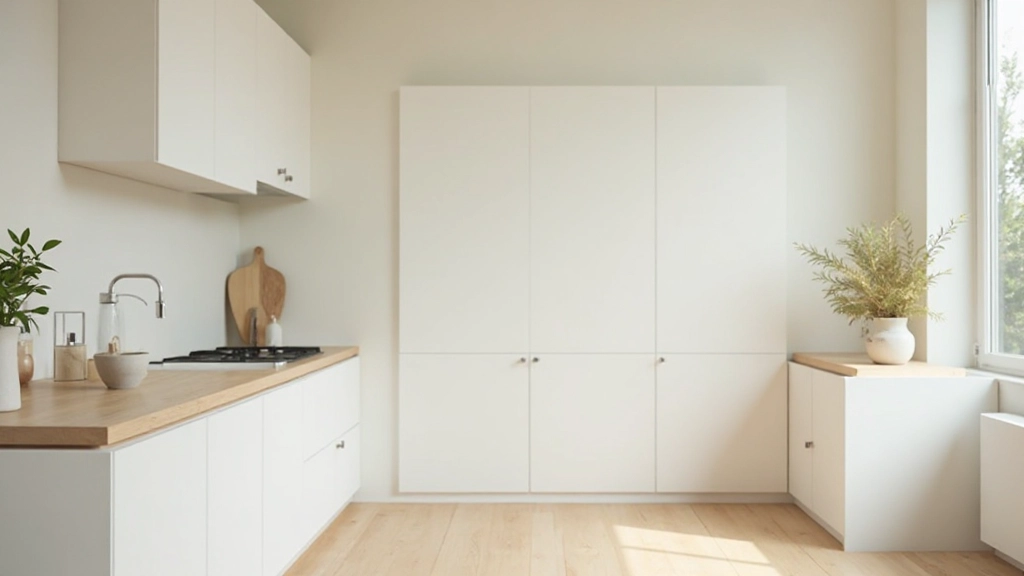
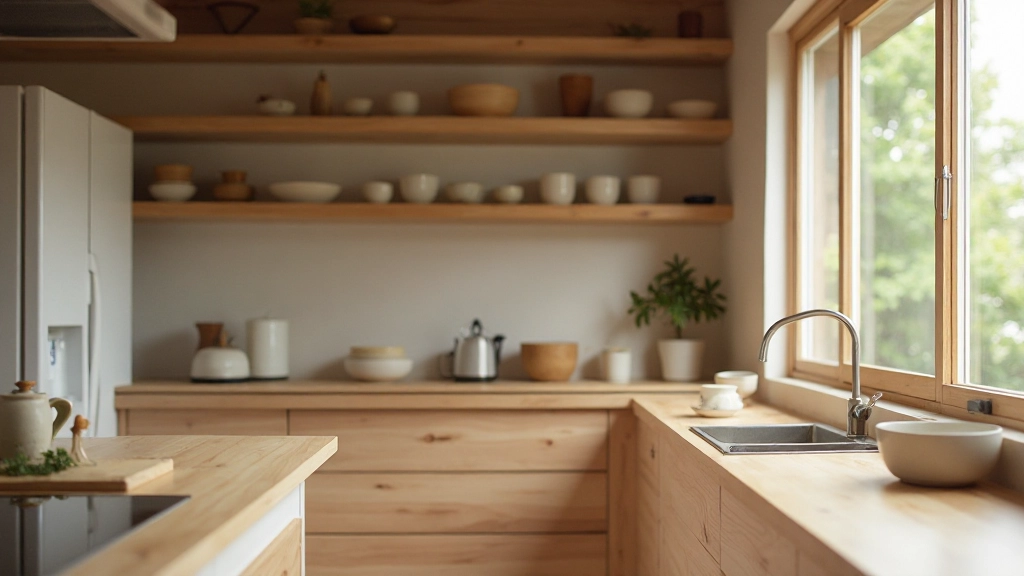
Resist the urge to display every kitchen tool and ingredient. Store items thoughtfully, keep countertops mostly bare, and let white space frame your essential tools. A clear kitchen workspace promotes both function and calm.
Practical Steps to Embrace Emptiness
Implementing empty space doesn't require a complete redesign. Start with these practical approaches:
1
Assess and Declutter
Begin by removing items that don't serve a functional or emotional purpose. Be honest about what you truly need and love.
2
Rearrange with Space in Mind
Move furniture to create breathing room. Leave space between pieces rather than pushing them against walls.
3
Limit Decorative Objects
Choose a few meaningful pieces to display, then remove everything else. Less becomes more when each item has space to be appreciated.
4
Create Storage Solutions
Items you need but don't want visible should have designated storage. This keeps surfaces clear and maintains visual emptiness.
Empty Space as a Design Statement
Empty space represents confidence in design. It says: "I know what matters, and I've removed everything that doesn't." This restraint is what separates sophisticated interiors from cluttered ones.
By embracing emptiness, you create a home that feels calm, intentional, and deeply personal. Your space becomes a reflection of what you value, not what you've accumulated. This is the essence of harmonious home design—knowing that sometimes, the most powerful design choice is choosing to leave something empty.
The goal isn't to have an empty home. It's to have a home where every element—including the emptiness—serves a purpose. This balance between presence and absence creates spaces that feel alive with possibility.
Disclaimer
This article provides educational information about interior design principles and empty space aesthetics. The concepts and suggestions presented are general guidelines based on design theory and practice. Individual results and preferences vary depending on personal taste, cultural background, spatial constraints, and lifestyle needs. We recommend consulting with a professional interior designer for specific design recommendations tailored to your unique home and circumstances. Always prioritize safety, functionality, and your personal well-being when making design decisions.