
Creating Sacred Spaces for Mindfulness
Transform your home into a sanctuary for meditation, reflection, and inner peace
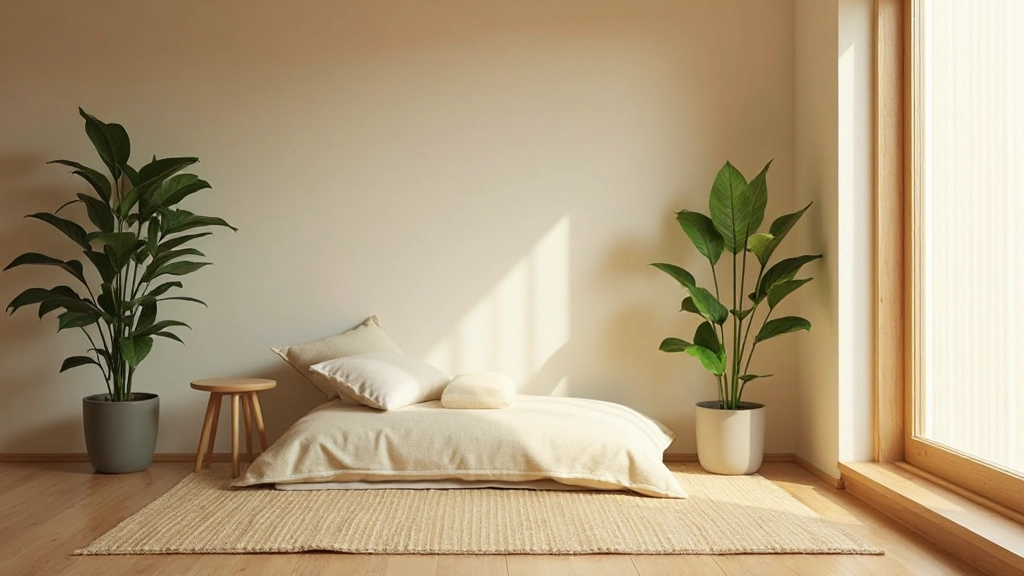
Why Sacred Spaces Matter
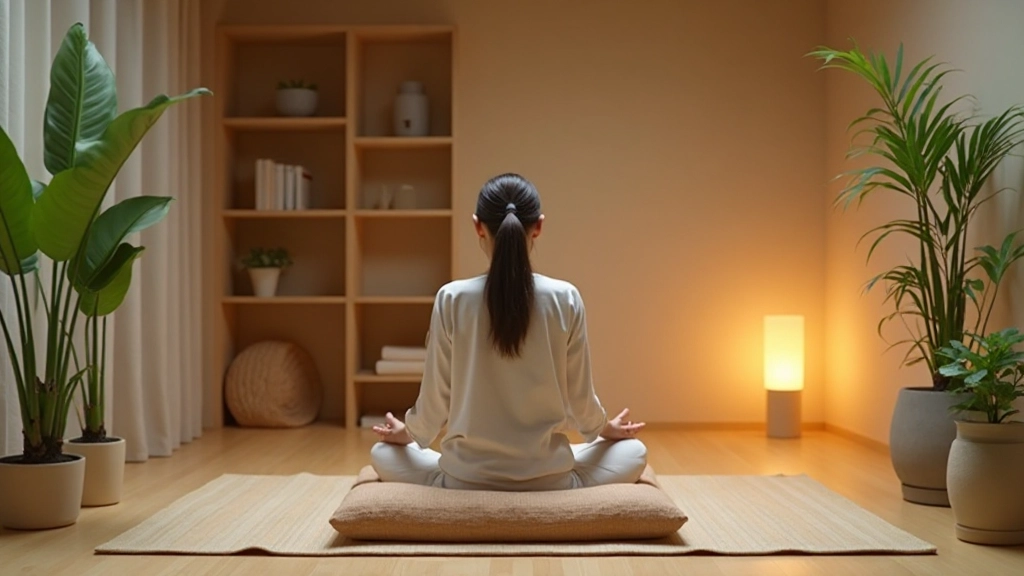
In our fast-paced world, having a dedicated space for mindfulness isn't a luxury—it's essential for mental clarity and emotional balance. A sacred space serves as a physical anchor for your practice, signaling to your mind and body that it's time to slow down, breathe, and reconnect with yourself.
Whether you have an entire room or just a corner of your bedroom, the principles of creating a mindful sanctuary remain consistent. By thoughtfully designing an environment that supports contemplation, you create a refuge where stress dissolves and inner peace naturally emerges.
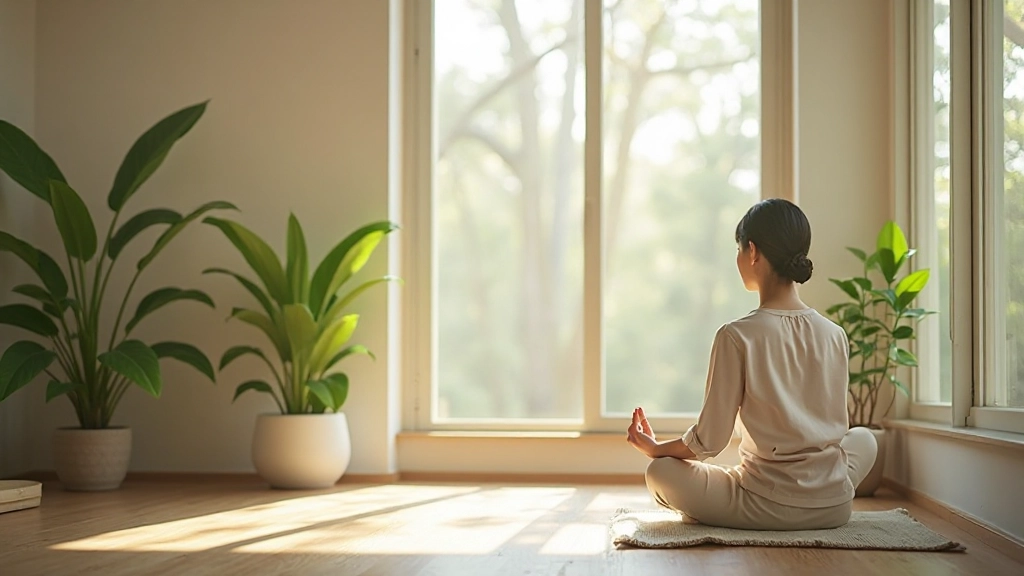
Choosing Your Location
The location of your sacred space profoundly influences your ability to practice mindfulness. Look for areas in your home that naturally feel calm and separate from daily activity. Windows offering soft natural light are ideal, as sunlight supports both mood and circadian rhythm regulation.
Consider acoustics carefully. A quiet corner away from household traffic and street noise allows you to focus on your breath and internal experience without constant distraction. If silence is impossible, you might use gentle white noise or nature sounds to mask intrusive sounds.
Temperature matters too. A space that's slightly cool promotes alertness without discomfort, while excessive warmth can induce drowsiness during practice.
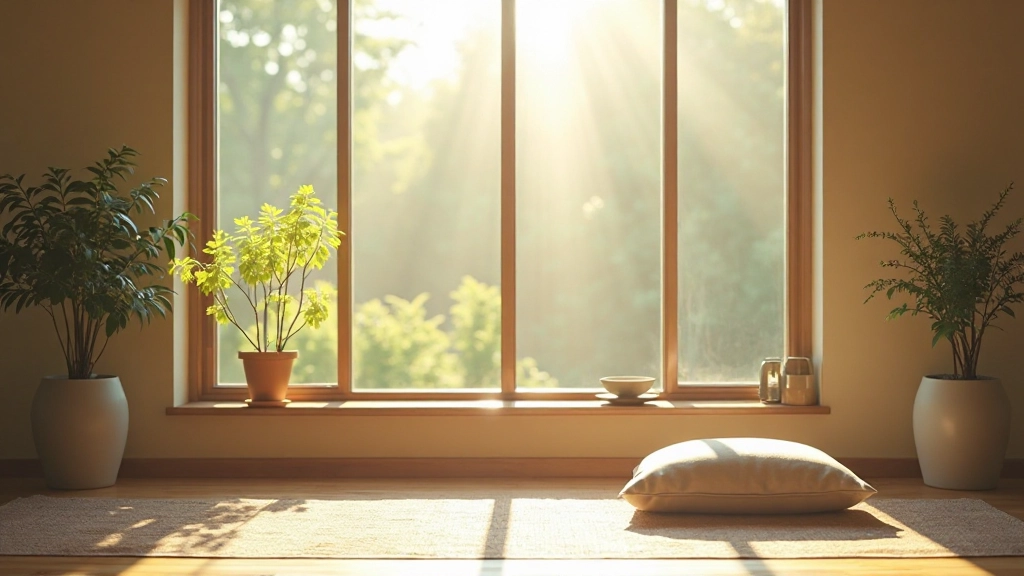
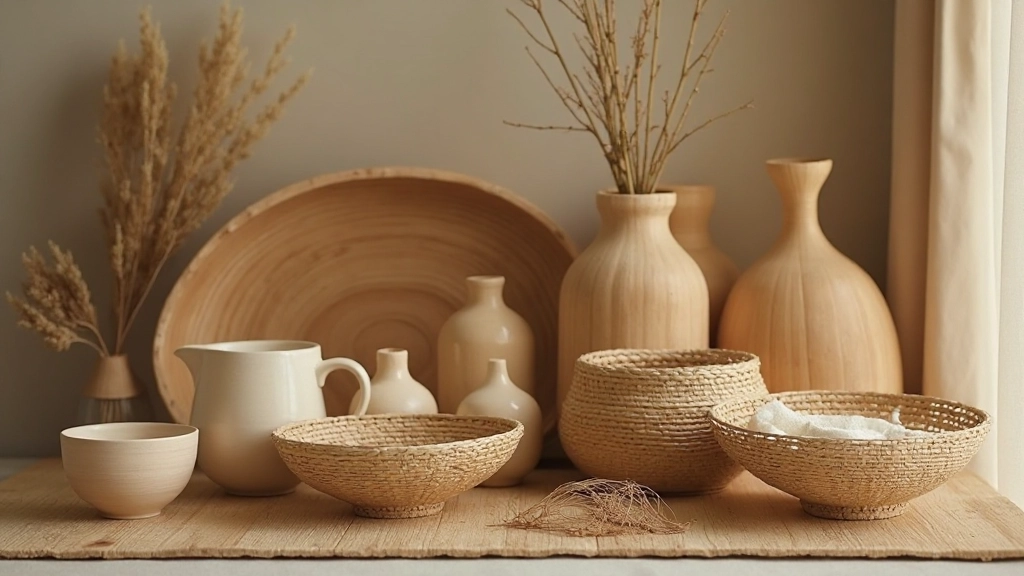
The Power of Natural Materials
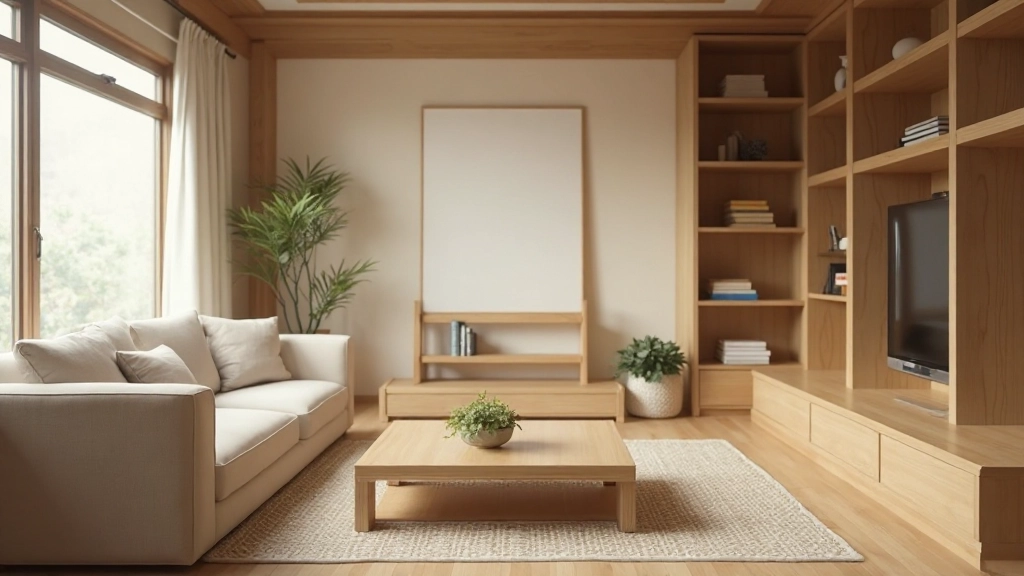
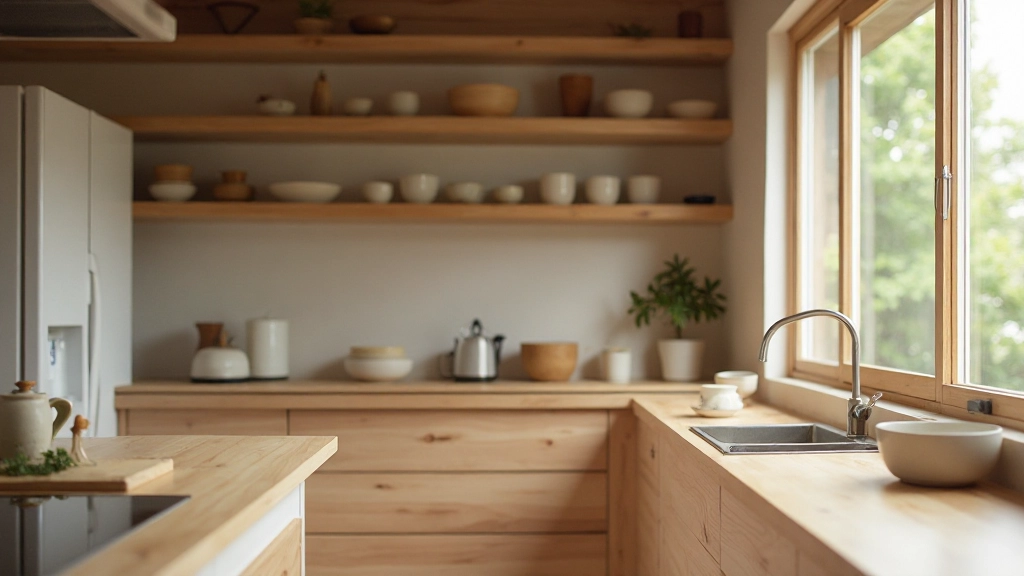
Natural materials create an immediate sense of grounding and authenticity. Wood, stone, ceramic, and natural fibers connect us to the earth and evoke a feeling of timelessness that supports deep contemplation.
Incorporate wood through simple furniture—a low table, meditation bench, or cushion base. Stone elements like river rocks or a small pebble garden add tactile interest and symbolic grounding. Ceramic vessels or bowls can hold incense or plants, adding functional beauty.
Textiles woven from natural fibers—cotton, linen, jute—provide comfort while maintaining the organic aesthetic. These materials age gracefully, developing character over time in a way synthetic materials cannot.
"The materials surrounding us are not merely decorative—they speak to our subconscious, either inviting calm or creating subtle tension. Choose materials that whisper peace."
— Interior Design Philosophy
Essential Elements for Your Sacred Space
These foundational components create the conditions for deeper mindfulness practice
Living Plants
Green plants purify air, soften harsh lines, and remind us of nature's cycles. Choose low-maintenance varieties that won't distract with watering needs.
Soft Lighting
Natural light is ideal, but for evening practice, use warm-toned lamps or candles. Avoid harsh overhead lights that create tension.
Fresh Air
Good ventilation supports mental clarity. Open windows regularly to refresh the space and maintain oxygen levels during practice.
Comfortable Seating
A cushion, bench, or chair that supports your spine properly prevents physical discomfort from disrupting mental focus.
Designing for Your Practice
Your sacred space should reflect your specific mindfulness practice. Those who meditate need minimal visual stimulation and maximum comfort. Those who practice journaling benefit from a small desk and soft seating. Yoga practitioners require adequate floor space.
Identify Your Primary Practice
Define what mindfulness means to you—meditation, breathwork, journaling, or gentle movement. This determines spatial and furniture requirements.
Minimize Visual Clutter
Every object should serve a purpose. Remove unnecessary items that might distract or create mental noise during your practice sessions.
Create a Ritual Entry
Establish a small gesture—lighting a candle, opening a window, removing shoes—that signals to your mind that you're entering sacred time.
Begin Your Mindfulness Journey
Creating a sacred space for mindfulness is not about perfection—it's about intentionality. Start with what you have. A single corner, a cushion, and a commitment to practice are enough. As your practice deepens, you can gradually refine your space, adding elements that support your growing awareness.
The most important element is consistency. When you return to the same space regularly, your mind learns to settle more quickly. The space itself becomes a teacher, reminding you of your commitment to inner peace and self-awareness.
Explore More Design Principles
Discover comprehensive guides on creating harmonious living spaces that support wellness and balance.
View All Resources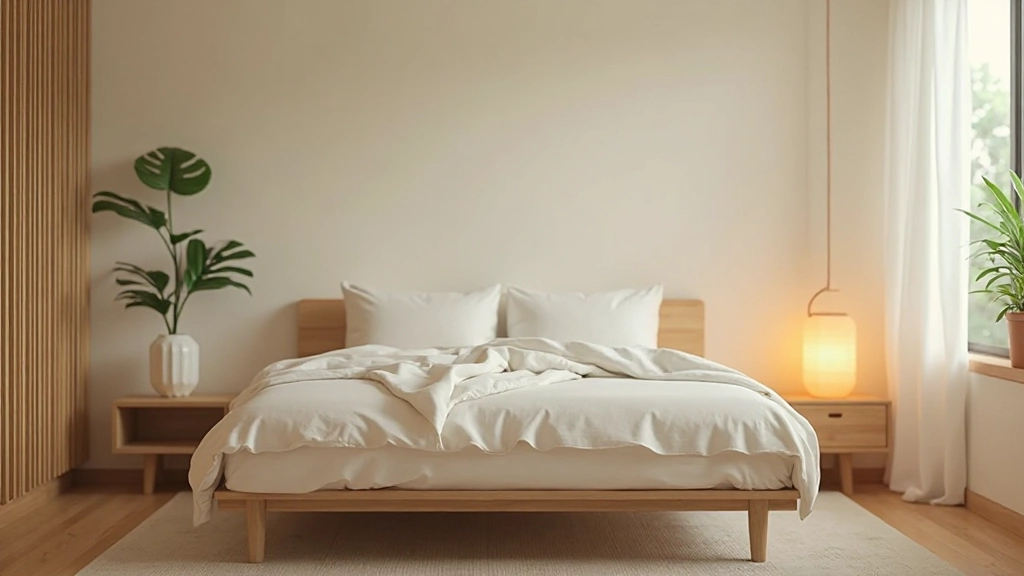
About This Article
This article provides educational information about creating mindful living spaces. Interior design preferences are deeply personal and vary based on individual needs, cultural backgrounds, and living situations. The suggestions presented are intended as guidance rather than prescriptive rules. Everyone's relationship with their home environment is unique, and you should adapt these principles to suit your specific circumstances, lifestyle, and available space. For professional interior design services, consult with qualified designers who can assess your particular needs.